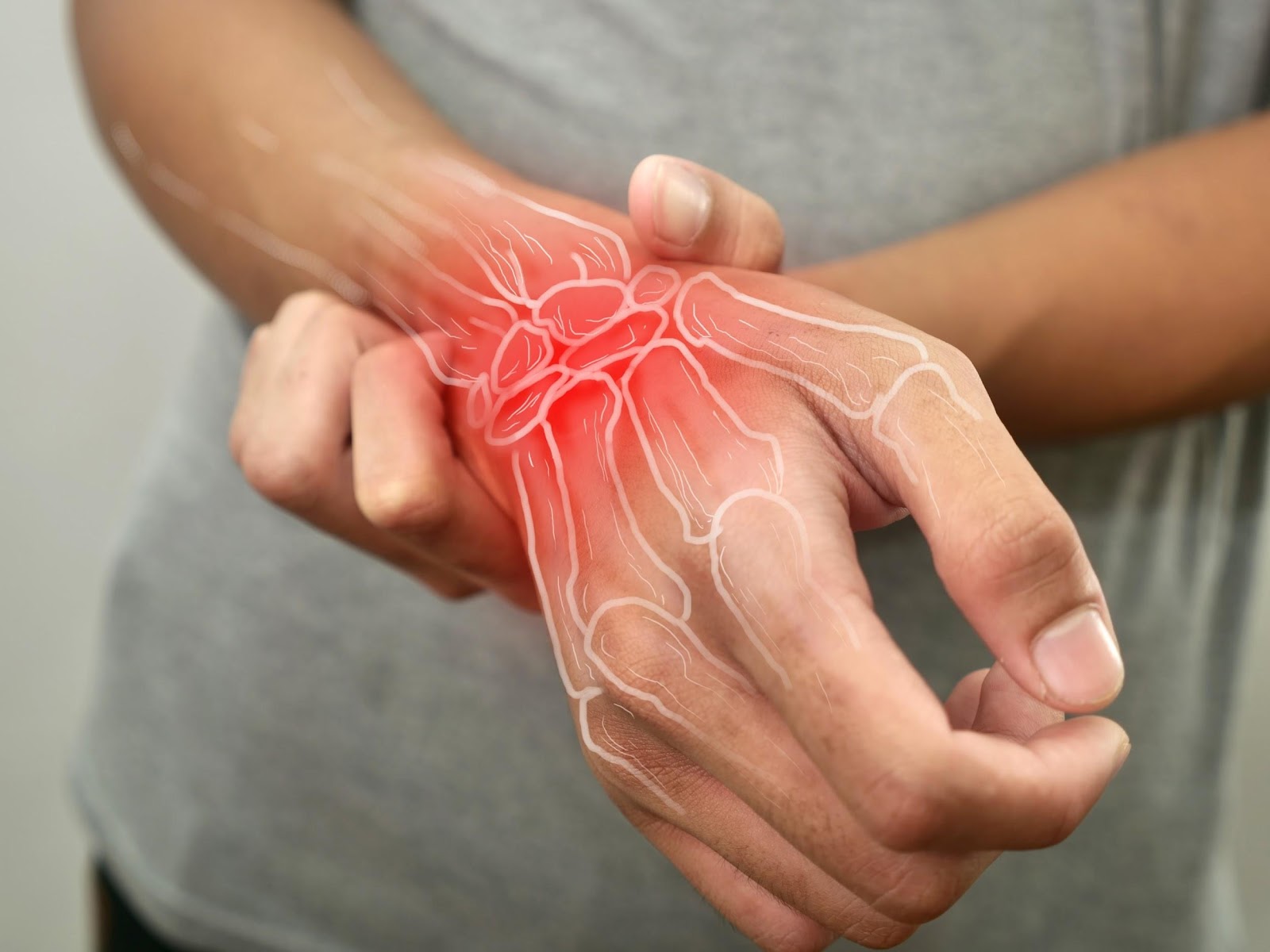
Rheumatoid Arthritis
It is a chronic inflammatory condition that affects the joints when the body's immune system attacks its own tissues and affects the joints. In some people, the condition can damage a wide variety of body systems such as the skin, eyes, lungs, heart, and blood vessels.

Osteomalacia Rickets Disease
It refers to a condition in which there is a progressive softening of the bones, and is most often caused due to severe vitamin D deficiency. These weakened bones in children and young adults with osteomalacia may lead to bowing during growth, especially when weight- bearing bones of the legs are affected, and may lead to fractures.
Connective Tissue Disorder
It refers to a condition that affects the parts of the body which connect the structures of the body together. Connective tissues are made up of two major proteins: coHagen and elastin. Collagen is commonly found in the tendons, ligaments, skin, cornea, cartilage, bone, and blood vessels.
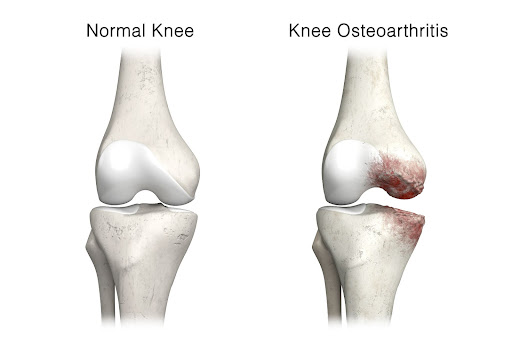
Osteoarthritis
It is the most common type of arthritis and occurs when the protective cartilage that is present at the endsofthebones wears down over time. Although it can damage anyjoint, it most commonly affectsjoints ofthe' hands, knees, hips, and spine.
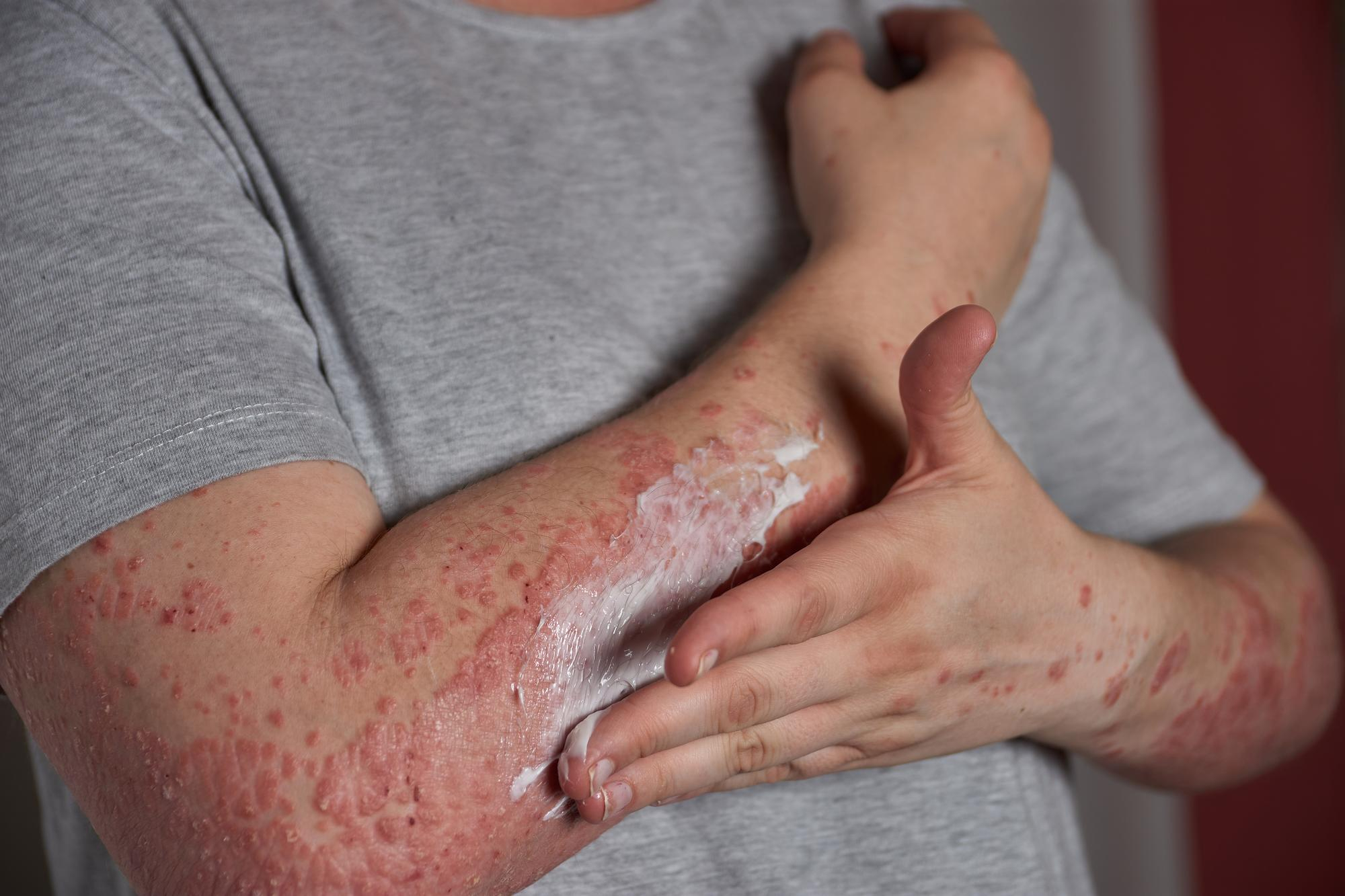
Lupus
It is an inflammatory condition that is caused when the immune system attacks its own tissues. It can affect the joints, skin, kidneys, blood cells, brain, heart, and ltmgs.

Ankylosing Spondylitis
It is an inflammatory disease that results in the fusion of the small bones present in the vertebra over time. This fusion makes the spine less flexible and may result in a hunched-forward posture.
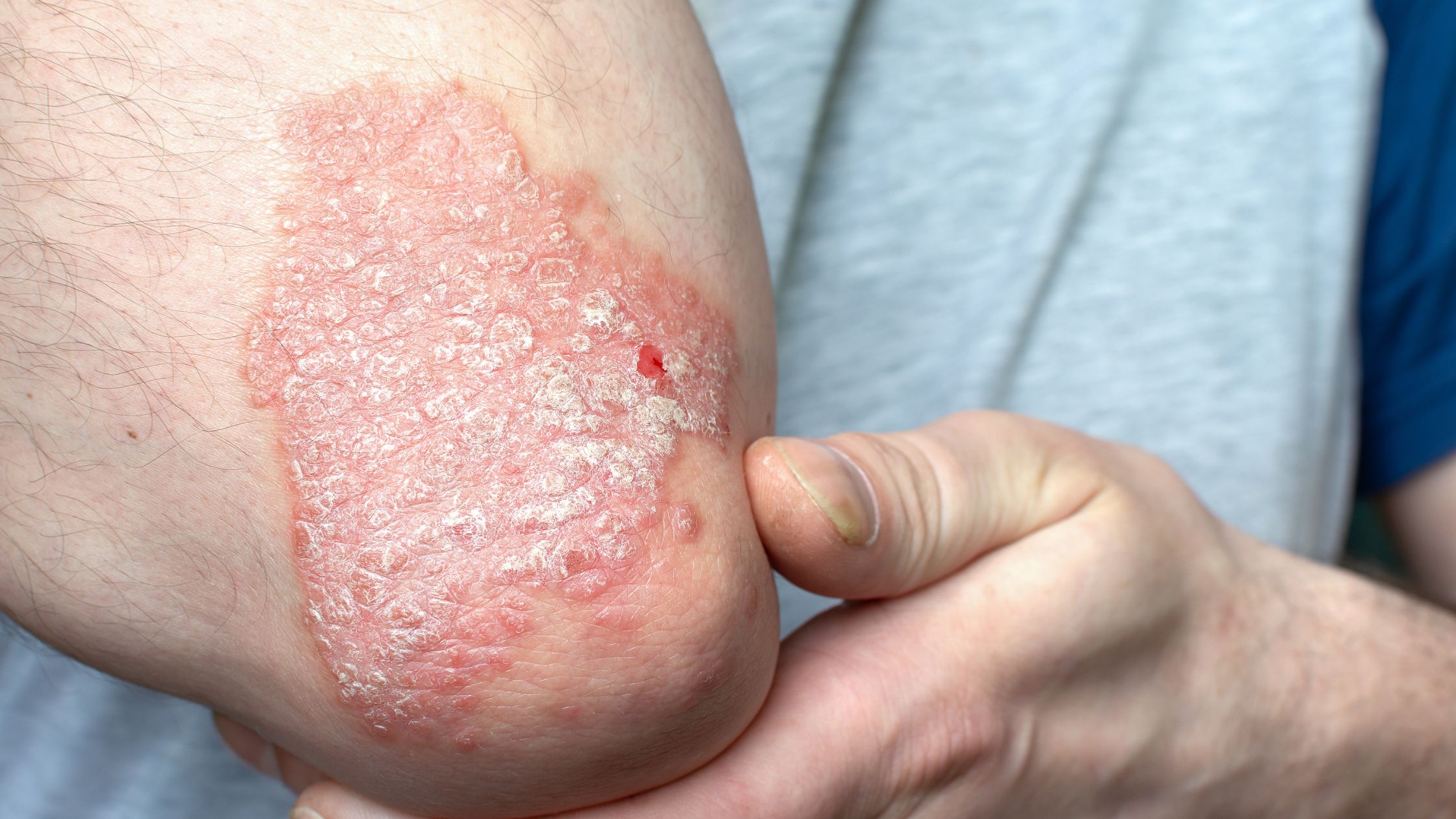
Psoriatic Arthritis
It is a type of arthritis that affects some people suffering from psoriasis. Even though most people develop psoriasis first and are later diagnosed with psoriatic mthritis, these joint problems may in some conditions begin before skin patches appear.
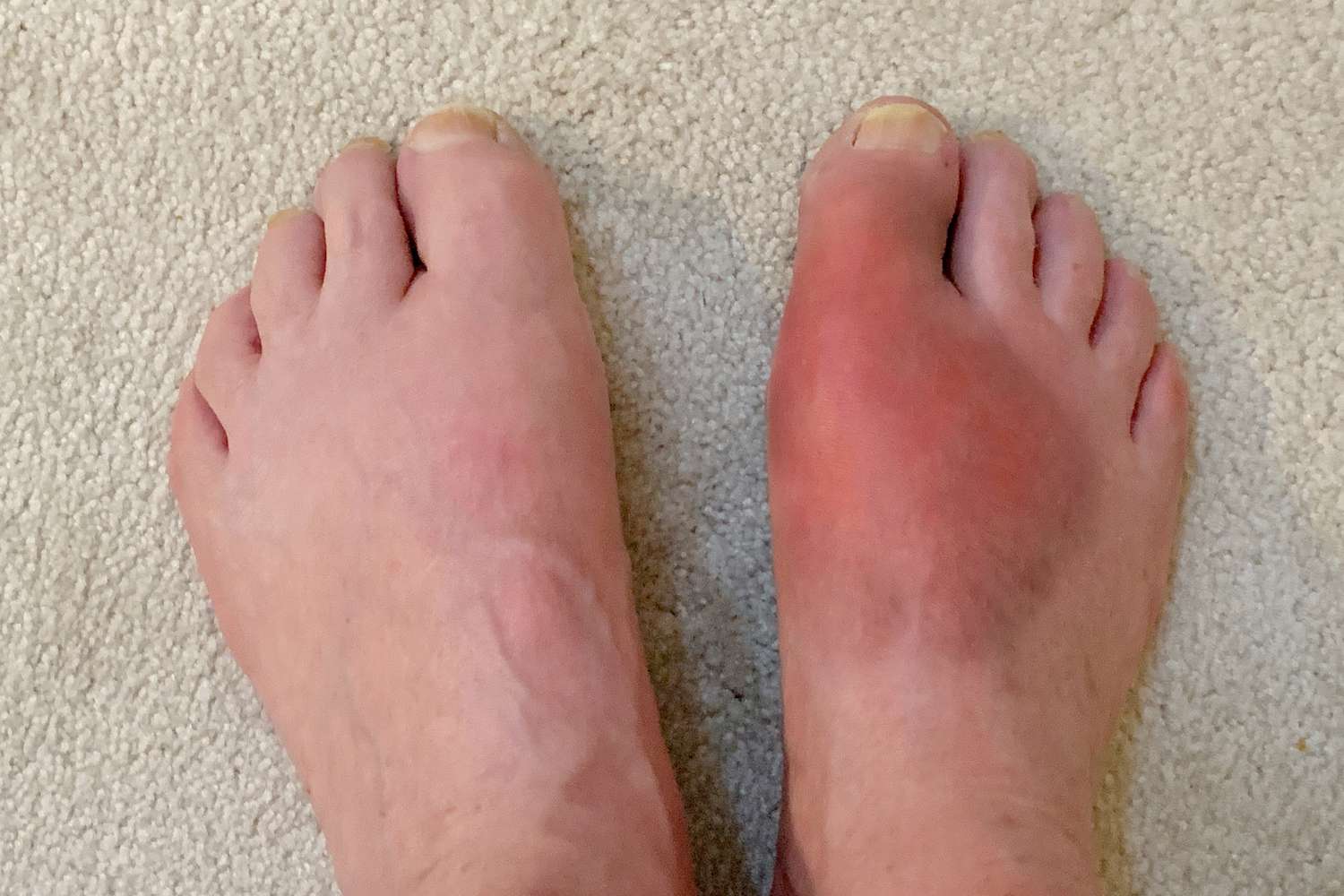
Gout
It is a form of arthritis characterized by severe pain, redness, and tenderness in the affected joints. Tins pain and inflammation occur when excess uric acid crystallizes and deposits in the joints. Symptoms of this condition include severe pain, rednes$, at1d swelling in joints, and these attacks come suddenly, most often at night.
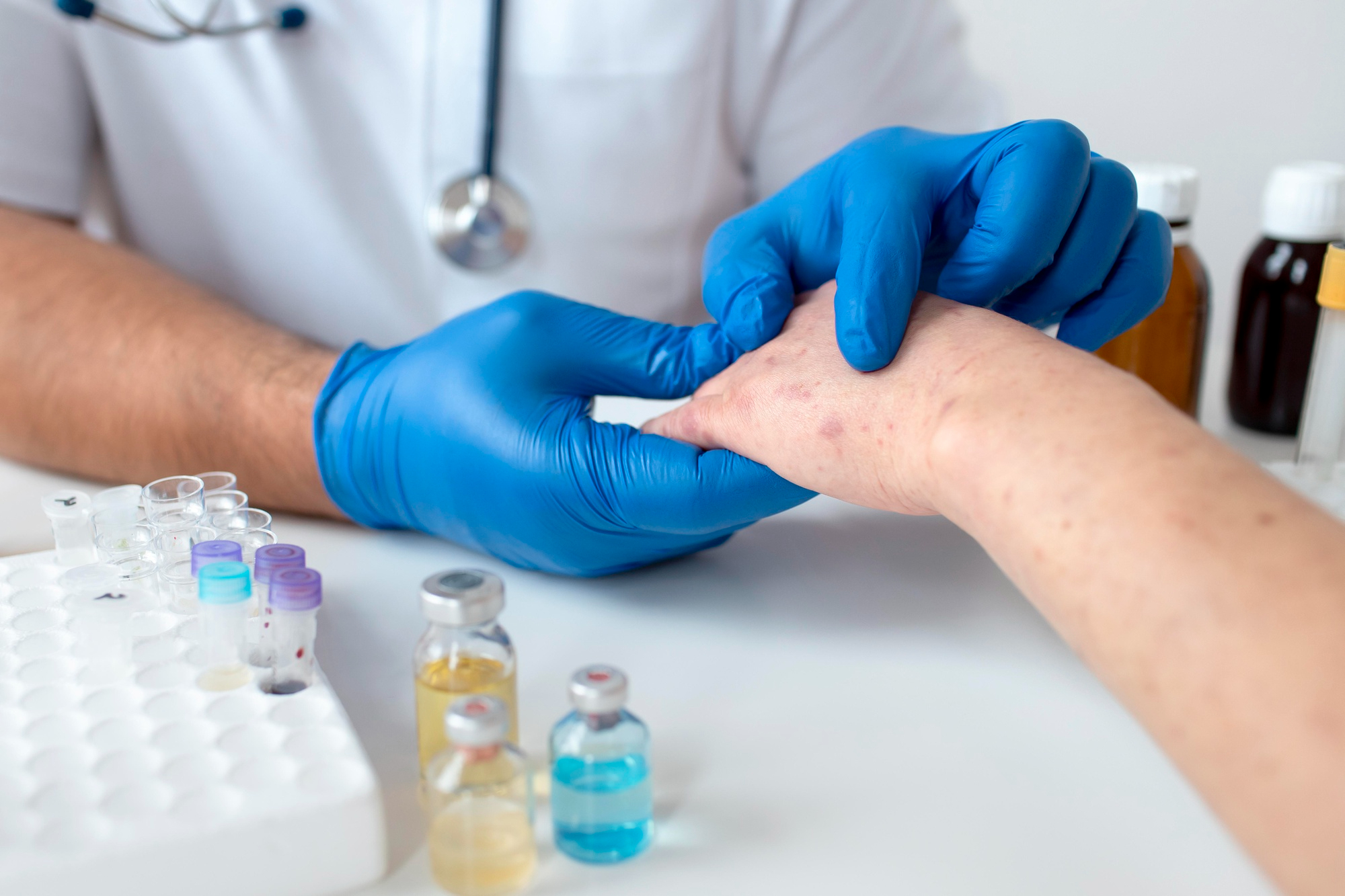
Scleroderma
It refers to a group of rare diseases that result in the hardening and tightening of the skin and connective tissues. It usually affects women more often than men at1d is most commonly observed between the ages of 30 and 50.
Psoriatic Arthritis
It is a type of arthritis that affects some people suffering from psoriasis. Even though most people develop psoriasis first and are later diagnosed with psoriatic mthritis, these joint problems may in some conditions begin before skin patches appear.
Gout
It is a form of arthritis characterized by severe pain, redness, and tenderness in the affected joints. Tins pain and inflammation occur when excess uric acid crystallizes and deposits in the joints. Symptoms of this condition include severe pain, rednes$, at1d swelling in joints, and these attacks come suddenly, most often at night.

Scleroderma
It refers to a group of rare diseases that result in the hardening and tightening of the skin and connective tissues. It usually affects women more often than men at1d is most commonly observed between the ages of 30 and 50.
Infectious Arthritis
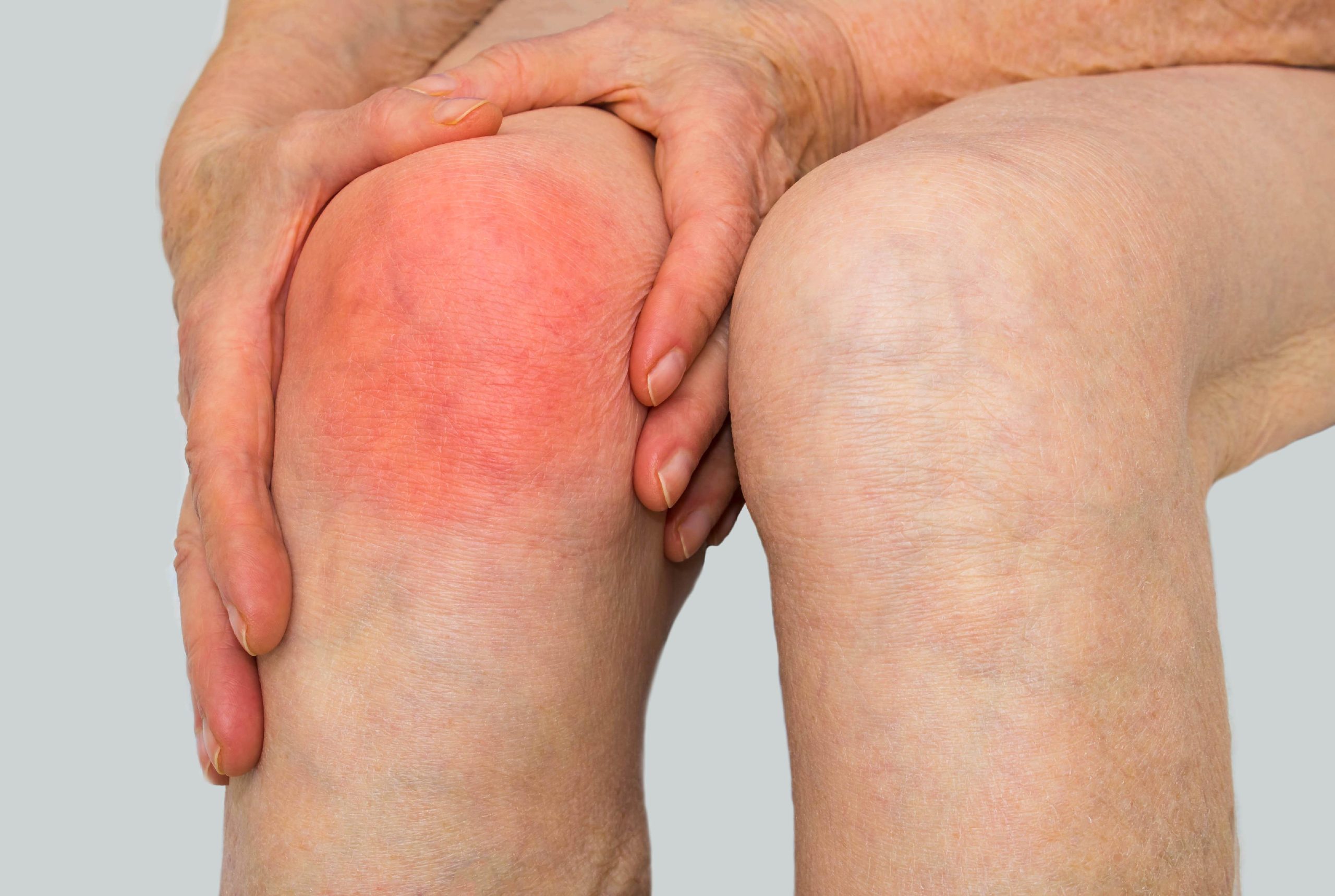
Infectious arthritis is also known as septic arthritis, at1d refers to at1 infection in a joint that causes arthritis-like symptoms. It is a kind of inflammatory arthritis but much more severe. It develops when bacteria or viruses enter the joint and multiplies, causing painful symptoms in a11d around the affected joint.
Juvenile Idiopathic Arthritis
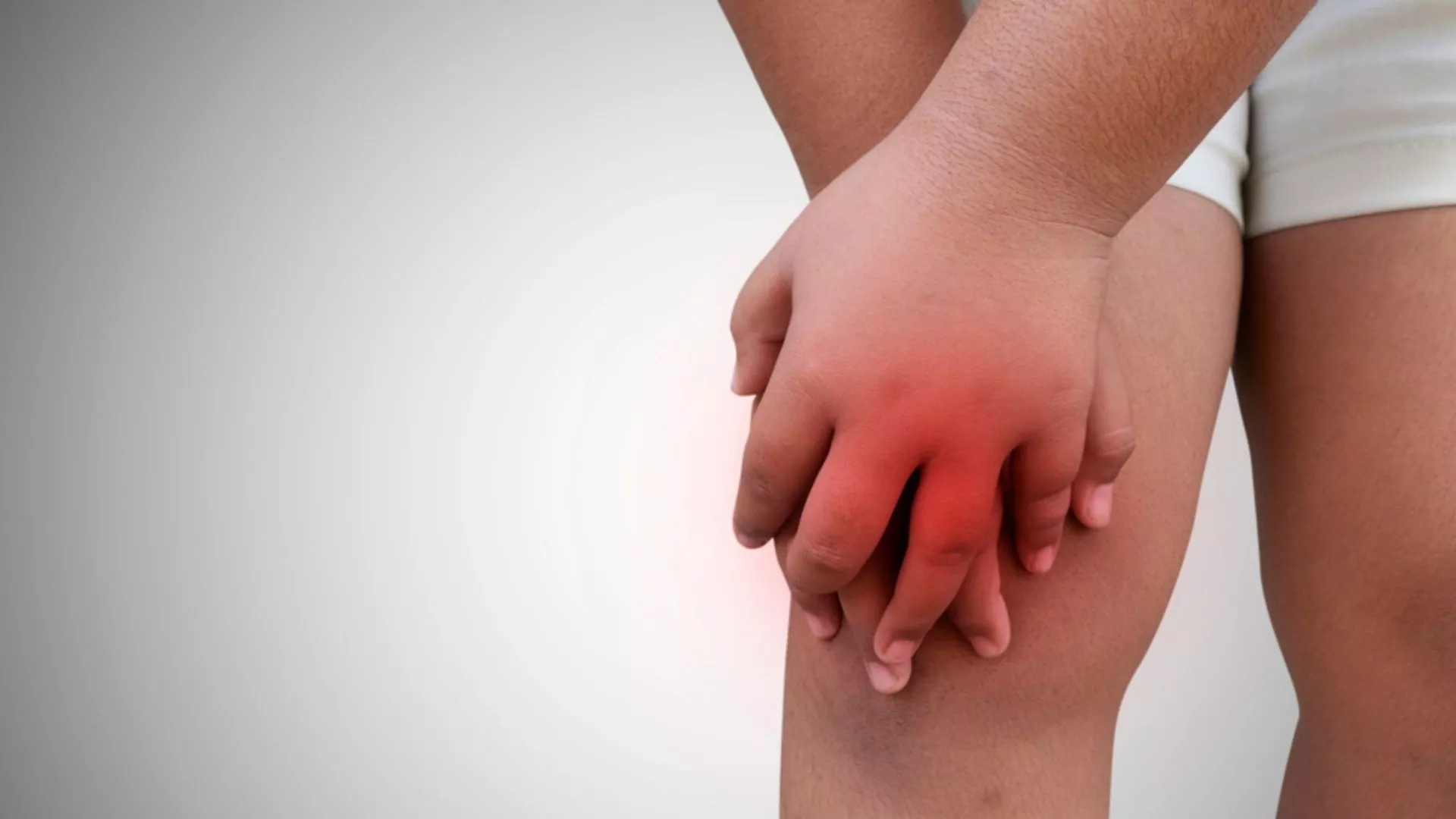
It was earlier known as juvenile rheumatoid arthritis, at1d is the most common type of arthritis in children under the age of 16. It causes constant joint pain, swelling, and stiffness. Some children may experience these symptoms for a few months only, while others suffer from it for the rest of their lives.
Scleroderma
It refers to a group of rare diseases that result in the hardening and tightening of the skin and connective tissues. It usually affects women more often than men at1d is most commonly observed between the ages of 30 and 50.