Overview
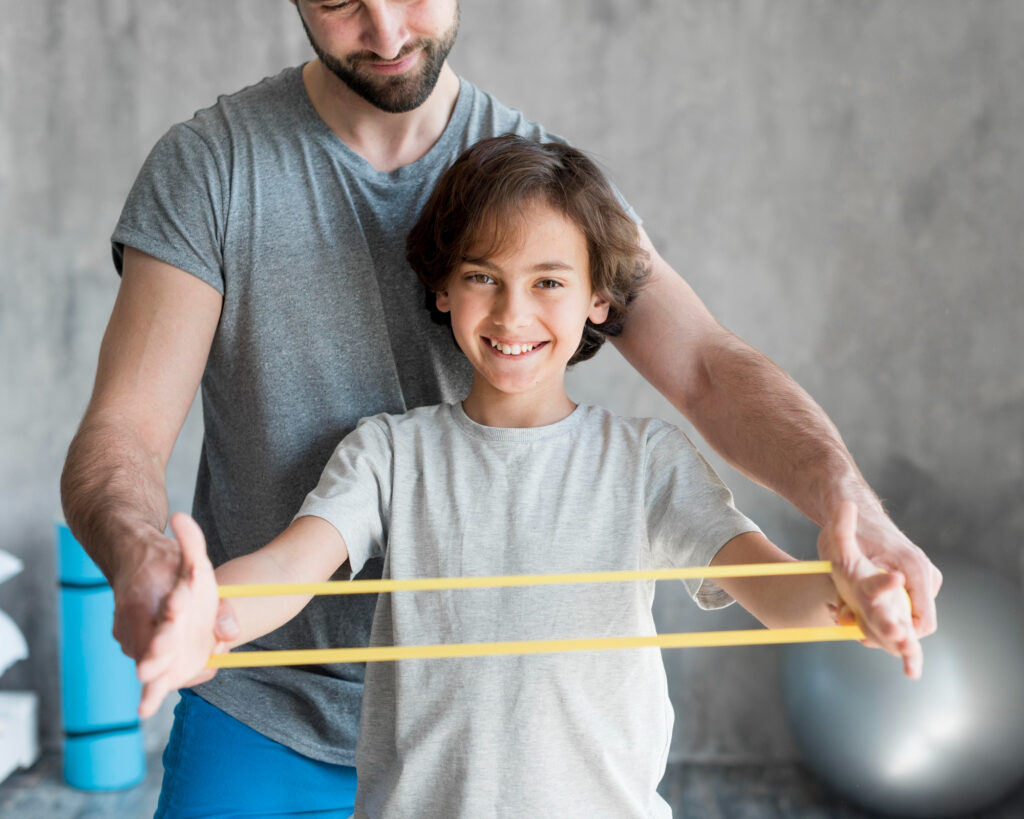
Pediatric rehabilitation is a specialized, interdisciplinary field focused on improving the quality of life, mobility, and functional independence of children from birth to adolescence. It treats conditions like cerebral palsy, developmental delays, and traumatic injuries through physical, occupational, and speech therapies.
- Comprehensive therapy to improve physical, neurological, developmental, and functional abilities in children.
- Focuses on physical growth, cognitive development, emotional well-being, and social participation.
- Delivered through a multidisciplinary team including pediatric neurologists, physiotherapists, occupational therapists, speech therapists, psychologists, nurses, and social workers.
- Individualized treatment plans with active involvement of parents and caregivers for better long-term outcomes.
Facilities
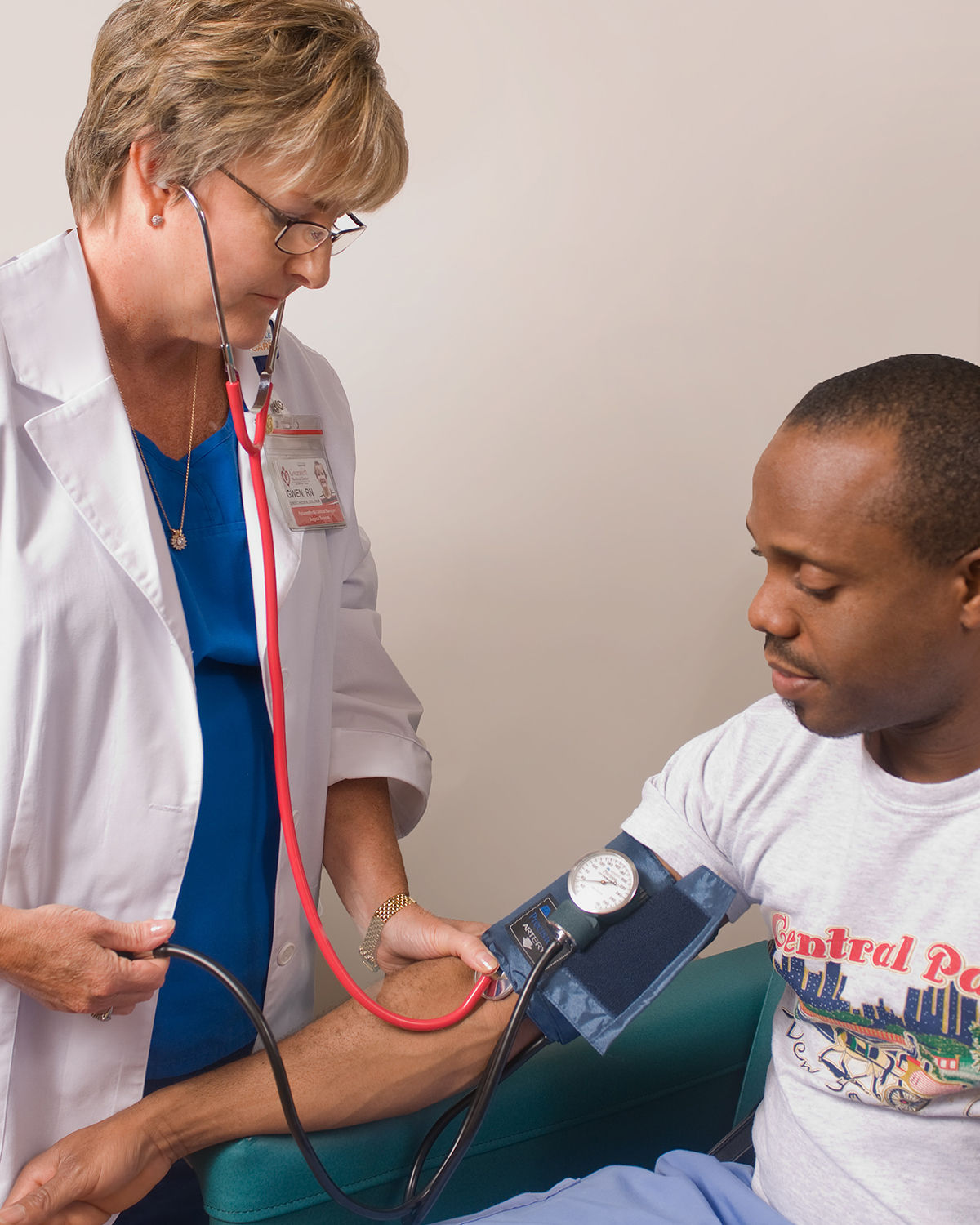
- NICU
- Pediatric ICU & Pediatric Rooms
- Vaccination Clinic
- Child Development Clinic
- Adolescent Care
- Pediatric Endocrinology
Goals of Pediatric Rehabilitation
- Improve gross and fine motor skills.
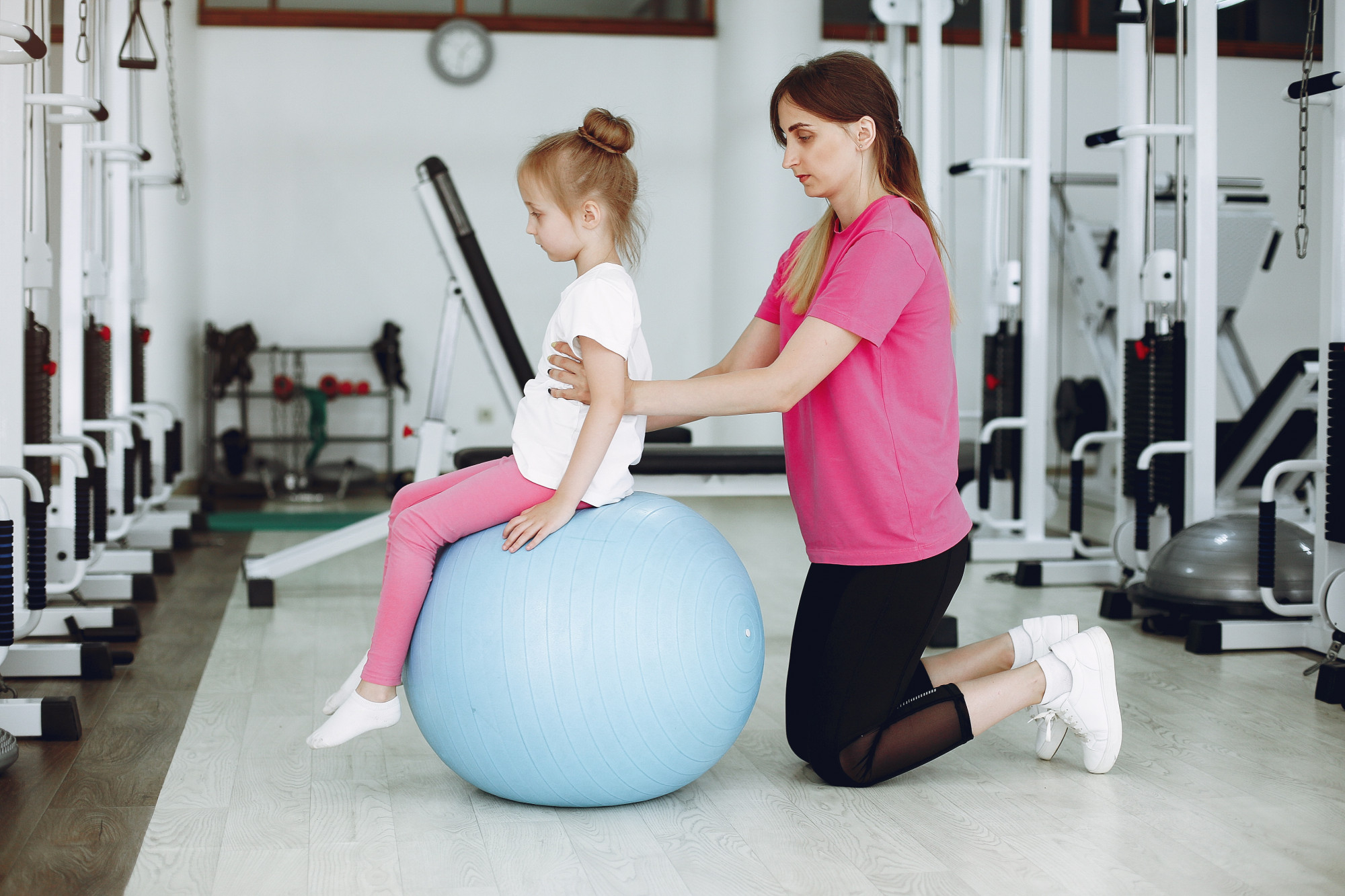
- Enhance balance, coordination, mobility, and posture.
- Support speech, communication, and cognitive development.
- Promote independence in daily activities.
- Prevent complications such as muscle contractures and joint deformities.
- Build confidence, emotional resilience, and social participation.
Conditions Treated
- Neurological Disorders: Cerebral palsy, spina bifida, muscular dystrophy, acquired brain injury, childhood stroke.
- Orthopedic Conditions: Congenital limb deformities, developmental hip dysplasia, scoliosis, flat feet, fractures, sports injuries.
- Genetic & Metabolic Disorders: Down syndrome, Rett syndrome, Prader-Willi syndrome, metabolic disorders.
- Traumatic Injuries: Brain and spinal cord injuries.
- Developmental Delays: Prematurity-related developmental and neuromotor delays.

Rehabilitation Services
- Physiotherapy: Improves strength, flexibility, balance, posture, gait, and mobility.
- Occupational Therapy: Enhances fine motor skills, self-care, sensory integration, and school readiness.
- Speech & Language Therapy: Improves communication, speech, language, feeding, and swallowing.
- Hydrotherapy (Aquatic Therapy): Reduces joint stress while improving strength, coordination, and confidence.
- Robotic-Assisted Rehabilitation: Advanced gait and movement training to improve mobility and motor recovery.

Psychological & Family Support
- Psychological counseling to improve confidence and emotional well-being.
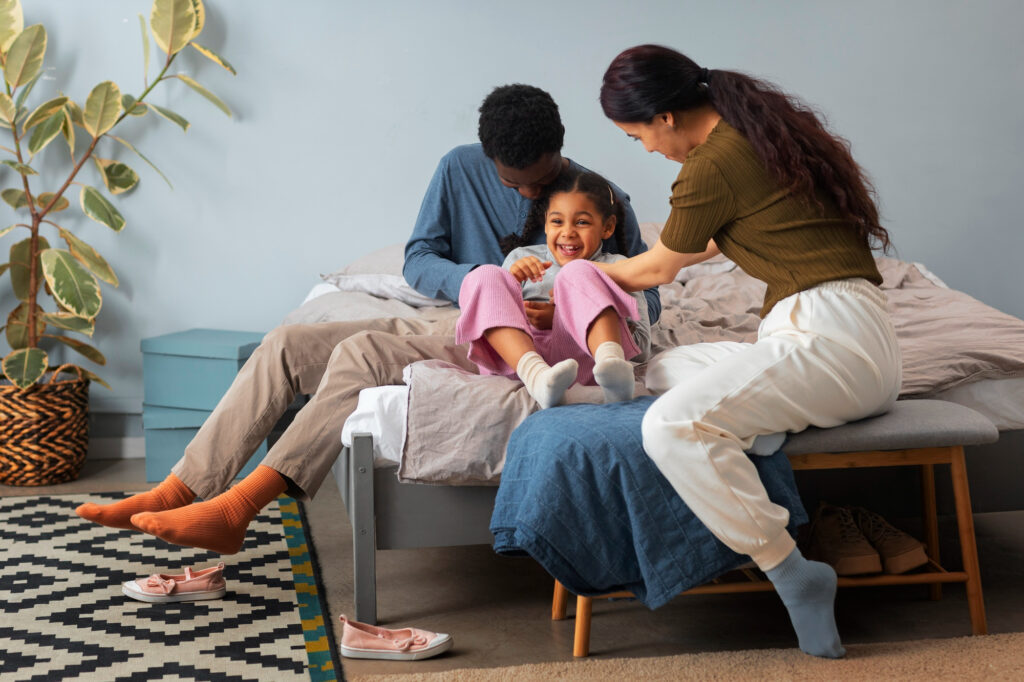
- Family education and caregiver training to reinforce therapy at home.
- Encourages successful school, social, and community participation.
Benefits of Pediatric Rehabilitation
- Improved mobility, strength, balance, and coordination.
- Greater independence in daily living activities.
- Better communication and cognitive skills.
- Enhanced school performance and social participation.
- Increased self-confidence and emotional well-being.
- Prevention of long-term complications.
- Improved overall quality of life.