
Overview
Advanced Weight-Loss Surgery for Better Health
Obesity can increase the risk of several health conditions and affect overall quality of life. When diet, exercise, lifestyle changes and medication do not lead to sustained weight loss, bariatric surgery may be an effective long-term treatment option.
At Saifee Hospital, our bariatric care team helps patients understand their treatment options and make informed decisions about weight-loss surgery.
What Is Bariatric Surgery?
Bariatric surgery, also known as weight-loss surgery, involves reducing the size of the stomach and, in some procedures, changing how food passes through the digestive system.
These changes help patients eat smaller portions and support long-term weight loss.
Bariatric surgery may also help improve obesity-related conditions such as:
- Type 2 diabetes
- High blood pressure and high cholesterol
- Obstructive sleep apnoea
- Fatty liver disease
- Osteoarthritis
Types of Bariatric Surgery

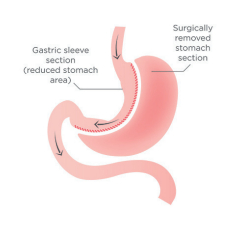
Laparoscopic Sleeve Gastrectomy
A large portion of the stomach is removed, creating a smaller, sleeve-shaped stomach. This limits food intake and helps patients feel full sooner.
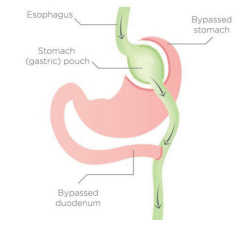
Laparoscopic Roux-en-Y Gastric Bypass
A small stomach pouch is created and connected directly to the small intestine. This reduces food intake and changes how the body absorbs nutrients.
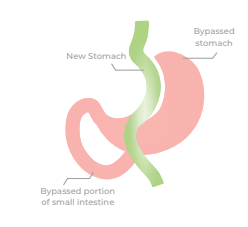
Laparoscopic Mini Gastric Bypass
A small stomach pouch is created and connected to a loop of the small intestine. This reduces food intake and alters nutrient absorption to support weight loss.

Benefits of Bariatric Surgery
Potential benefits include:
- Significant and sustained weight loss
- Improvement in obesity-related health conditions
- Better mobility and quality of life
- Reduced dependence on certain medications
Results vary depending on the procedure, the patient’s health and their commitment to long-term lifestyle changes.
Who Is Eligible for Bariatric Surgery?
Bariatric surgery may be considered for individuals who have not achieved sustained weight loss through non-surgical treatments.
Eligibility may include:
- A Body Mass Index (BMI) above 37.5 kg/m²
- A BMI above 32.5 kg/m² with an obesity-related condition, such as diabetes or hypertension
In certain cases, surgery may be considered at a lower BMI when obesity-related health conditions remain uncontrolled despite appropriate treatment.
Final eligibility is determined through a comprehensive medical evaluation.
Preparing for and Recovering from Bariatric Surgery
Before surgery, patients undergo a medical evaluation that may involve surgeons, physicians, dietitians, psychologists and other specialists. This helps assess their health, understand potential risks and prepare for treatment.
After surgery, patients follow a carefully planned diet, gradually progressing from liquids to soft foods and eventually solid meals as recovery progresses.
Long-term care involves:
- A balanced diet and regular physical activity
- Prescribed vitamin and mineral supplements
- Regular medical follow-ups
- Monitoring weight loss and nutritional health
- Nutritional or psychological counselling, when required
Lifelong medical and nutritional follow-up is essential to maintain results and prevent deficiencies or complications.
Diet After Bariatric Surgery?
Speak to Our Bariatric Care Team
Considering weight-loss surgery? At Saifee Hospital, our multidisciplinary team can help you understand the available procedures, assess your eligibility and explore the most suitable treatment options.
Take the first step towards better health.
- +91 22 6757 0111
- write@saifeehospital.com
- Available 24 hours a day, 7 days a week