Overview
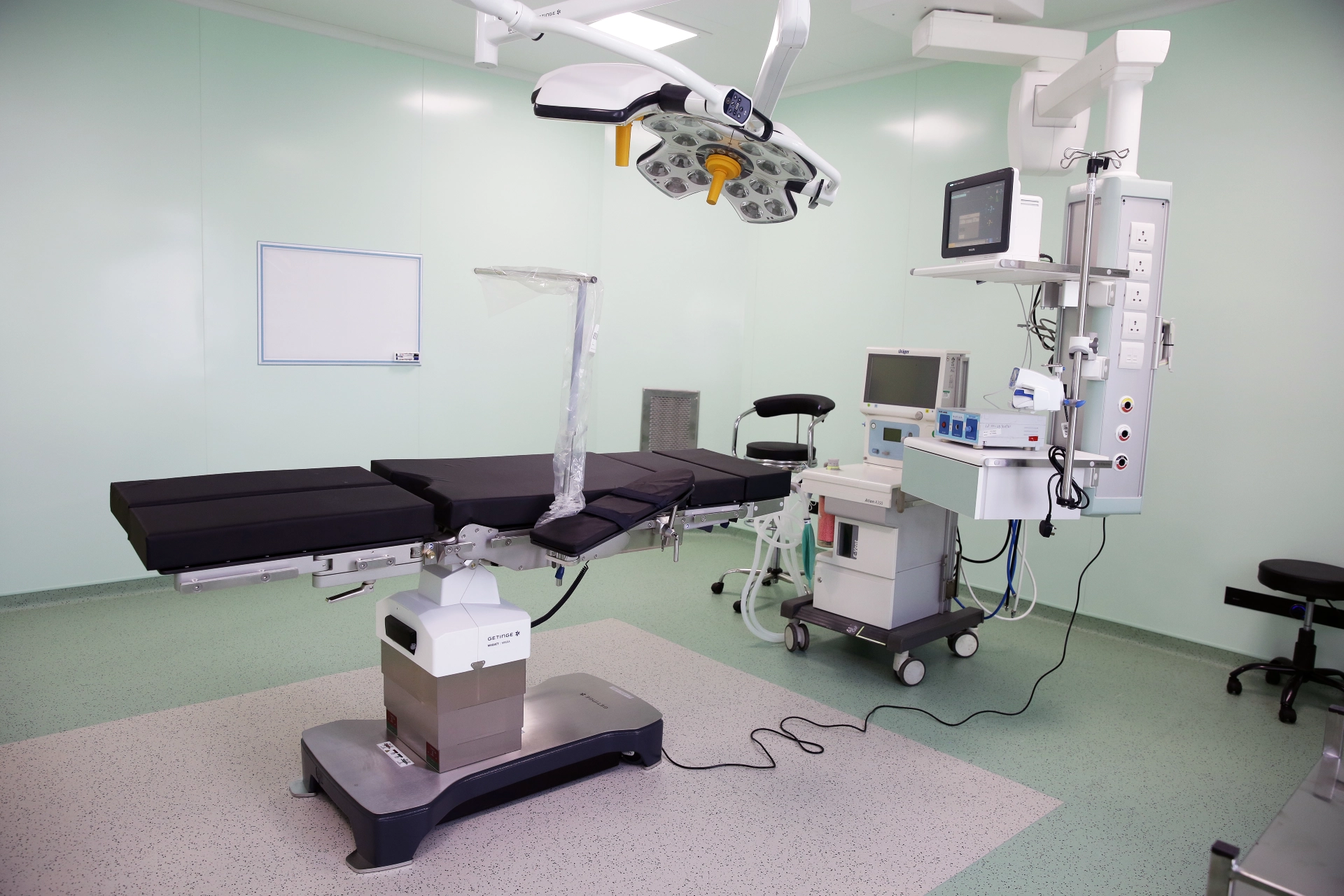
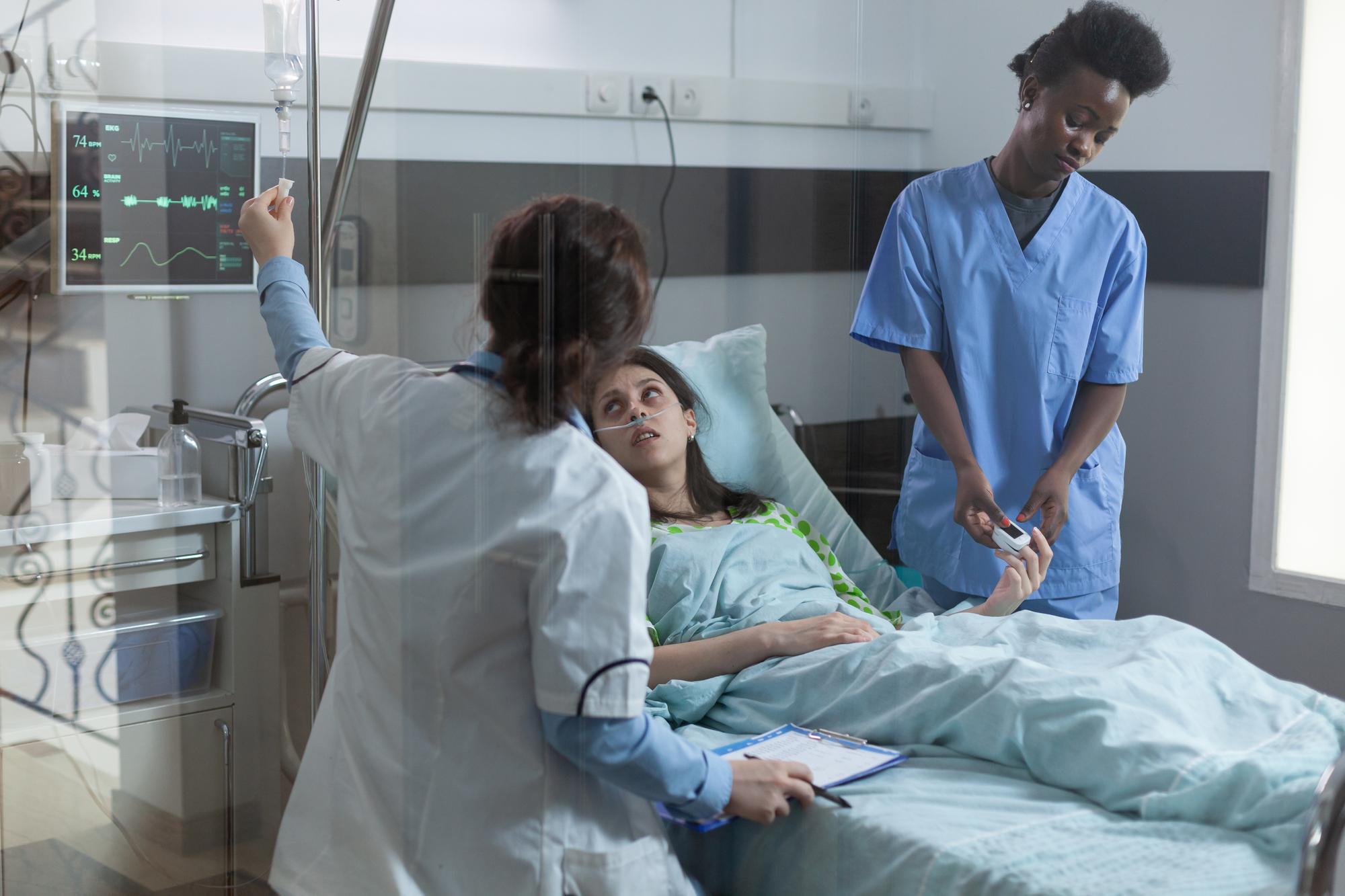
The Department of Critical Care Medicine offers round-the-clock intensive care for patients with life- threatening conditions. It is staffed by experienced intensivists, nurses, and paramedics trained to manage complex emergencies and critical illnesses with precision and compassion.
Emergency medicine is the diagnosis and non-surgical treatment of diseases in adults, especially of internal organs. The department provides broad range of services for diagnosis and treatment of multiple adult medical problems, including:
Scope of Services:
Our ICU provides advanced care for conditions such as stroke, paralysis, poisoning, drug overdose, respiratory failure, and multi-organ dysfunction. Specialized management is available for environmental and industrial injuries, drowning, electrical and radiation injuries, and severe infections.
- Critical care
- Management of chronic diseases
- Management of drug overdoses and poisoning
- Environmental diseases including diseases
- Due to Industrial chemical exposure
- Drowning
- Electrical injuries
- Radiation Injuries
- Animal Bites etc.
- ECMO Services
The Saifee Hospital ICU:
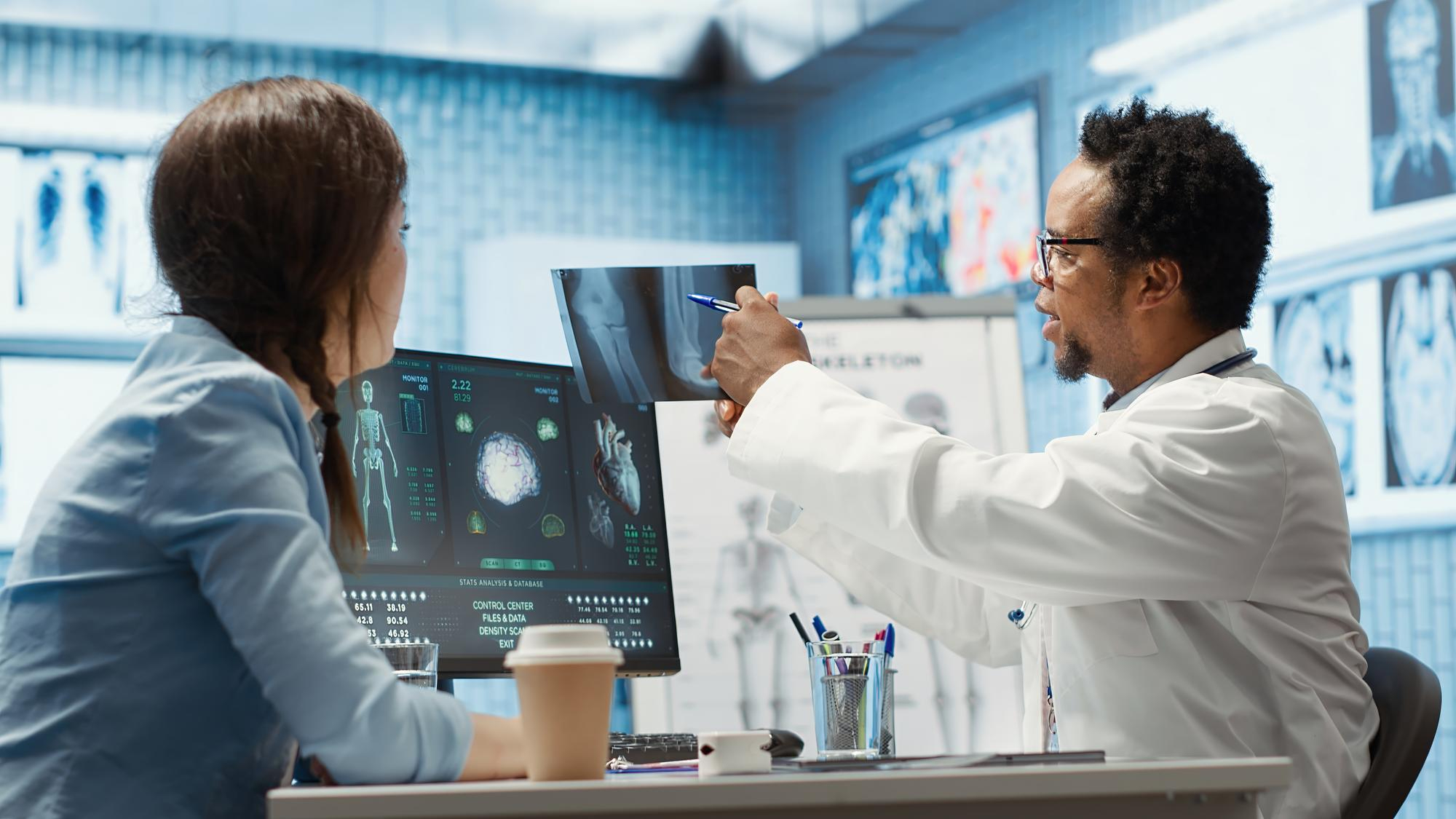
- Is a Teaching institute for Critical Care Medicine for doctors (FNB, IDCCM.ISCCM-Post MBBS) and nurses offering varous courses.
- Is an Award Winning ICU and has recieved prestigious awards for Innovation in Infection Control- (5th International Patient Safety Congress-2015-Best Infection Prevention and Practice)
- Has consistently lower hospital associated infection rates than national rates and comparable to international benchmarks.
- The department is also a teaching institute for Critical Care Medicine, offering FNB, IDCCM, and ISCCM courses for doctors and nurses. ECMO services are available for patients with cardiac and respiratory failure, ensuring life support during recovery or transplant preparation.
About ICU & NICU
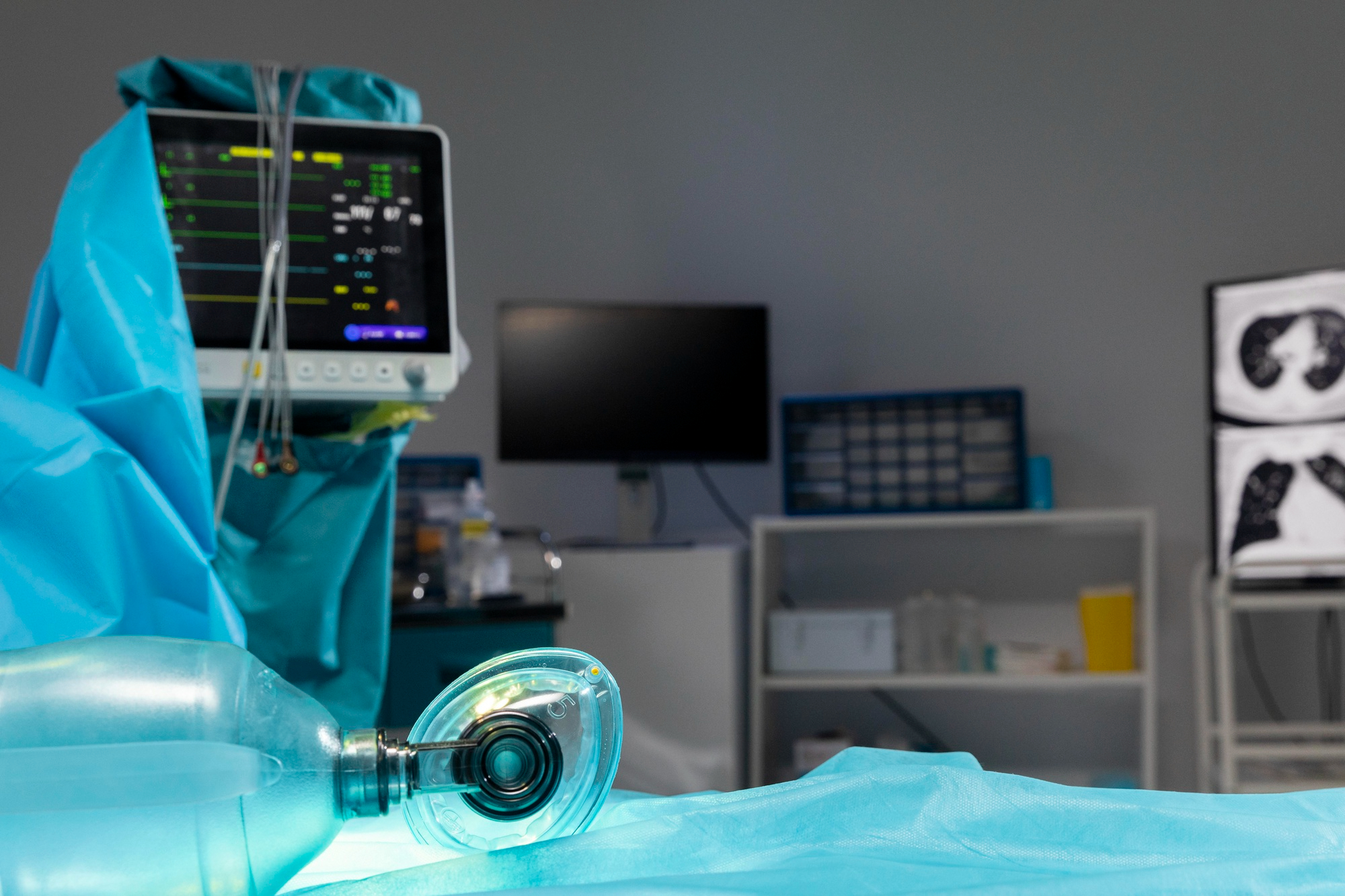
ICU and NICU of Saifee Hospital are highly specific and sophisticated areas dedicated to manage the critically ill due to various causes by a team of specialised medical, nursing and ancillary personnel. It operates with defined policies, protocols and procedures; with specific quality control measures, education, training and research programmes and provides organ and life support systems.
Patients requiring intensive care usually require support for:
- Haemodynamic instability (hypertension/hypotension),
- Airway or respiratory compromise (such as ventilator support),
- Acute renal failure,
- Potentially lethal cardiac dysrhythmias,
- And frequently the cumulative effects of multiple organ system failure.
- Transplants
- Polytrauma
Technology and Facilities:
Our ICUs are equipped with mechanical ventilators, infusion pumps, blood gas analyzers, portable ultrasound, bronchoscopes, glide scopes, and hemodynamic monitoring systems. Specialized devices include intra-aortic balloon pumps, pacemakers, therapeutic hypothermia machines, and bedside
dialysis units.
Positive and negative isolation rooms maintain infection control, while patient-controlled pain relief systems and advanced regional nerve blocks enhance comfort , Acute pain relief with regional blocks and other nerve blocks with nerve locaters, C-Arm for imaging.
Continuous cardiac monitoring and total parenteral nutrition ensure comprehensive care for every
patient.