
Overview
Weight Loss Surgery, Also known as Bariatric Surgery, is the most effective and long-lasting treatment for moderate to severe obesity.
What is Weight Loss Surgery?
These procedures make surgical changes to your stomach and digestive system. They limit the amount of food that you can eat, which leads to weight loss. Weight loss surgery is usually an option if you have not been able to lose weight through lifestyle changes and medication alone.
Weight loss surgery can also help manage and prevent chronic medical conditions associated with obesity, like:
- Diabetes
- Hypertension
- Hyperlipidemia
- Obstructive Sleep Apnea
- Fatty Liver Disease
- Osteoarthritis
- Cancer
Different Kinds of Weight Loss Surgery?

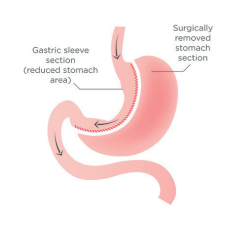
Laparoscopic Vertical Sleeve Gastrectomy
In this surgery, a part of the stomach is removed, making the stomach smaller. This results in a stomach, which is roughly the size of a shape of a banana or sleeve.
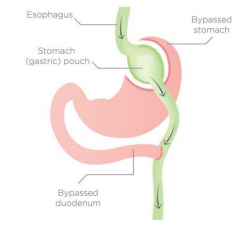
Laparoscopic Roux-en-y gastric bypass surgery
A small stomach pouch is created which is then joined to the small intestine 100cm away this bypassing 100cm of the small intestine along with most of the stomach.
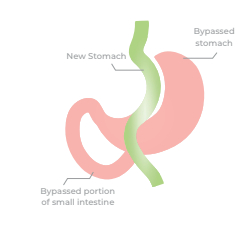
Laparoscopic Mini Gastric Bypass
In this procedure a small pouch of stomach is made(which is in between the sizes of a Roux-en-y gastric bypass and sleeve gastrectomy) and that pouch is joined to a loop of intestine 150-200cm away.

What are the benefits of surgery?
The benefits of weight loss surgery include:
- Significant weight loss (65%–75% of excess weight)
- Improvement in obesity-related medical conditions
Am I eligible for weight loss surgery?
Before you can qualify for weight loss surgery, you need to show that you have tried diet and lifestyle changes to lose weight first. You also need to have tried taking prescription medicine to lose weight without success.
Generally, to qualify for weight loss surgery, you need to have:
- A body mass index (BMI) greater than 37.5 kg/m2, or
- A BMI greater than 32.5 kg/m2 with a linked medical condition (for example, diabetes or hypertension)
However, you may also be eligible at lower BMIs if you have other obesity-related complications that you have not been able to control despite a healthy lifestyle and medication.
What else should I know about weight loss surgery?
Before you can be approved for weight loss surgery, you will have an evaluation by a team of doctors, dieticians, psychologists, and surgeons to make sure it is appropriate for you. You can meet with this team to learn more about your options without any obligation to have a procedure.
It is essential that you be medically and psychologically ready to undergo this life-altering surgery, with a clear understanding of the benefits and risks of surgery. Your weight loss team will continue to work with you even after the surgery is over.
It is important that you only move forward with weight loss surgery at a time in your life when you are able to commit to:
- A Sustained diet and exercise plan
- Lifestyle counseling to help you cope with changes in diet and exercise
- Psychological counseling and screening for depression
- Quitting smoking, taking drugs, and drinking alcohol
- In some cases, you may be required to lose weight before proceeding with surgery
- Osteoarthritis
- Cancer
What do I need to do after surgery?
- You will have special dietary requirements to follow after surgery.
- You will also need to take vitamin supplements, including a daily multivitamin, for the rest of your life following surgery.
- You will need lifelong follow-up after weight loss surgery to monitor you for any complications, ongoing weight loss, nutritional support, and depression screening.